

Osteopathy, a holistic approach to your HEALTH

Osteopathy is much more than just a supplement to modern medicine. It rests on a Global view of the human body and aims to support each patient in their singularity, by promoting a sustainable balance and one best quality of life.

Engaged in a process that is both preventive and curative, osteopathy acts on the functional causes of disorders and is fully integrated into a Modern, respectful, and personalized care pathway.

ATTENTION Before consulting an osteopath, it is important to look into their formation. She must be recognized and accredited (some schools are not by health authorities); it is advisable to check his experience, to be mindful of his personalized approach, and its ability to work in complementarity with other healthcare professionals, ensuring high-quality care.

Osteopathy is based on simple principles:

  • to corps works like one unit, all parts of the body are interdependent.
  • the circulation of bodily fluids, as with surgery, a good vascularization is essential for the treatment of damaged tissues.
  • the reciprocal interrelationship between structure and the function.
  • as Still wrote «the Illness is the result of’anatomical anomalies which are followed by the Physiological disorder« .
  • the ability to’Self-healing of the body system. Regardless of the practitioner, they guide the patient and that is the patient who is recovering.
  • the laws of Cause and effect.These apply to osteopathy as they do to the entire universe.
  • Health is the normal baseline state; the body has the capacity to resist, of wrestle appropriately for the different stress of daily life.
  • the illness begins when this capacity decreases.
Back pain, lumbago, and sciatica

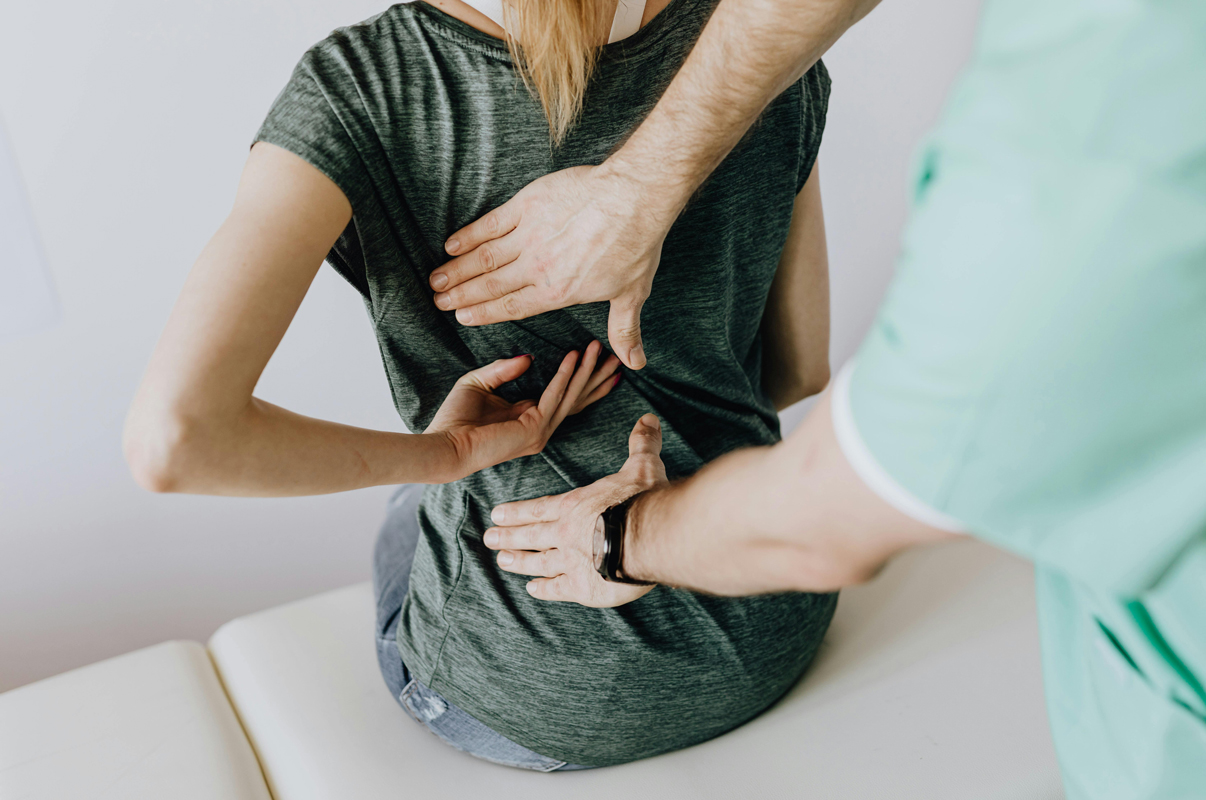
Osteopathy can relieve acute or chronic lower back pain by releasing muscle tension and restoring proper joint mobility. Techniques: gentle manipulations, stretching, soft tissue mobilization, and postural adjustments.
Neck pain, neuralgia, stiff neck

Tension in the cervical region can be caused by poor posture, stress, or trauma (such as whiplash). The osteopath assesses the mobility of the cervical spine, shoulders, and surrounding areas to correct imbalances.
Migraines and headaches

Some migraines can be of cervical origin or related to muscle tension. By working on the base of the skull, the cervical vertebrae, and the fascias, the osteopath can reduce the intensity and frequency of the attacks.
Dizziness

Vertigo of mechanical origin, often linked to cervical dysfunction or inner ear disorders, can be managed with specific techniques aimed at improving circulation and balance.
Recurring muscle injuries, Piriformis Syndrome

Excessive tension in the piriformis muscle, located in the buttock region, can irritate the sciatic nerve and cause pain. Osteopathic manipulation can reduce nerve compression and restore proper mobility.
Carpal tunnel syndrome

This syndrome, characterized by pain and numbness in the hand, can be related to tension in the forearm, shoulder, or spine. An osteopath works on the entire upper limb and cervical region to release tension.
When to consult?

As soon as possible is always best! It is advised to consult an osteopath: For preventive care, to correct imbalances before they cause pain. In case of acute or chronic pain, for personalized treatment. Osteopathy often complements other medical treatments, but it does not replace medical follow-up in cases of underlying pathology. If you have persistent symptoms, it is recommended to consult a doctor to rule out any serious conditions.